June 8, 2026
Selecting a modern cooling system is a significant decision that impacts residential comfort, monthly utility expenditures, and the overall environmental footprint of a household. As global temperatures continue to fluctuate, the reliance on mechanical cooling has transitioned from a seasonal luxury to a fundamental necessity for maintaining a healthy and productive living environment. The technology governing these systems has advanced rapidly, moving away from simple on-and-off mechanics toward sophisticated, data-driven climate control. When a homeowner begins the journey of replacing an aging system, they are often met with a dizzying array of technical specifications and marketing jargon. Navigating this landscape requires a keen understanding of which features truly contribute to longevity and performance versus those that are merely aesthetic or redundant.
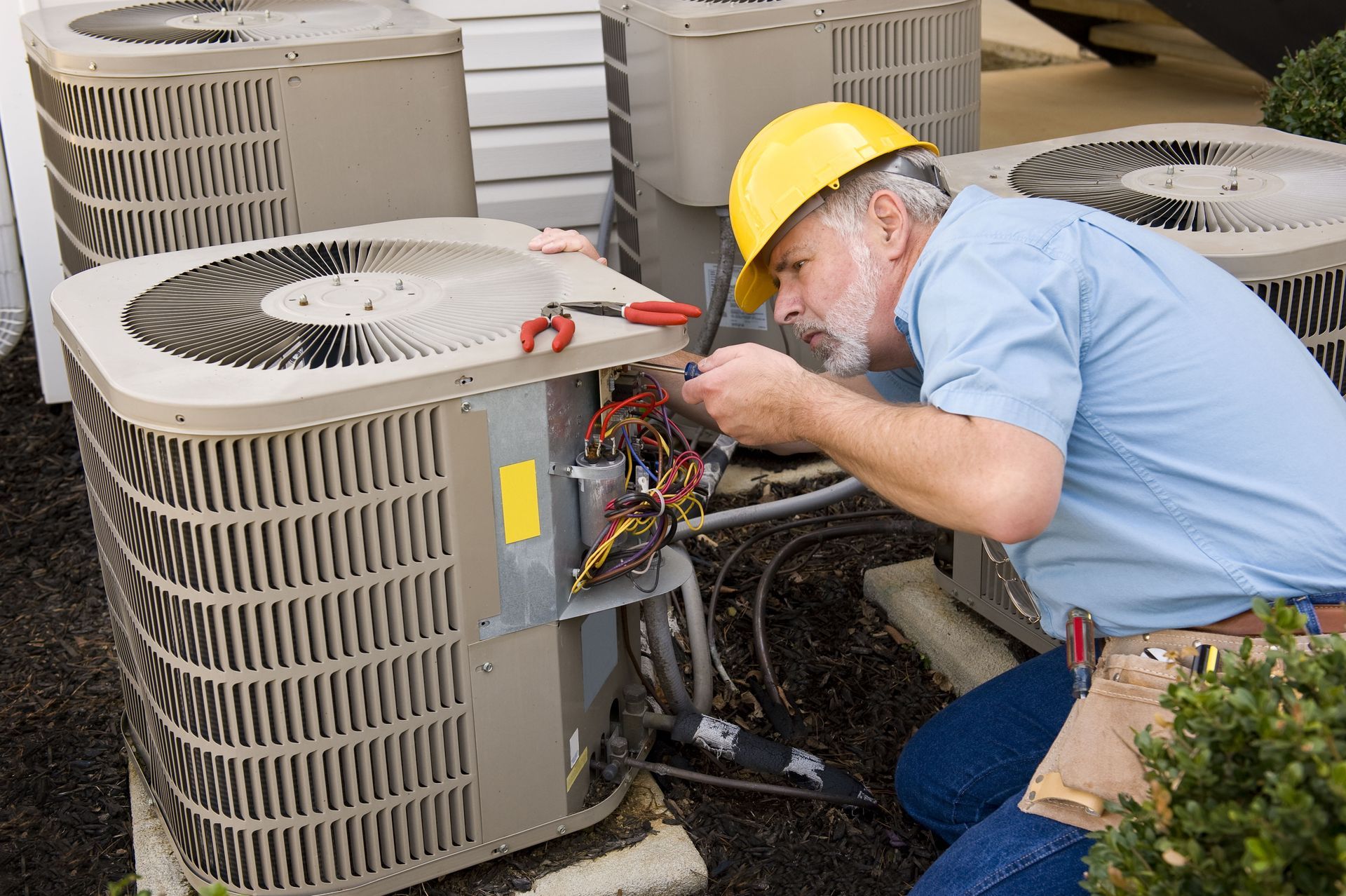
The process of upgrading a home’s climate control involves more than just purchasing a high-end appliance; it requires a holistic view of the building’s envelope. A new unit must be perfectly synchronized with the existing ductwork, insulation levels, and the specific cubic footage of the living space. This is why the quality of the initial ac install is just as critical as the hardware itself. A poorly executed setup can negate the benefits of even the most expensive, high-efficiency equipment, leading to premature wear and inconsistent temperatures. By focusing on specific engineering milestones and smart technologies, property owners can ensure their investment provides a sanctuary of cool air for many summers to come.
Evaluating Energy Efficiency Ratings
The primary driver for most homeowners seeking a new cooling solution is the desire to reduce energy consumption. Modern units are rated by their ability to convert electricity into cooling power over a standard season. Seeking a system with a high efficiency rating ensures that less energy is wasted as heat during the cooling process. This is achieved through advanced compressor technology and larger coil surface areas that facilitate better heat exchange. While the initial cost of a high-efficiency system may be higher, the long-term savings on monthly bills often justify the expenditure.
Furthermore, looking for units that bear international certifications for energy savings can provide peace of mind. These systems have undergone rigorous testing to prove they exceed minimum standards. During a professional ac install, the technician will ensure that the system is charged with the correct amount of refrigerant, which is vital for maintaining these efficiency levels. A system that is even slightly overcharged or undercharged will struggle to meet its rated efficiency, putting unnecessary strain on the mechanical components and increasing the cost of operation.
Comparing Variable Speed Compressors
Traditional air conditioners operate at a single speed, meaning they are either running at full capacity or are completely powered down. This leads to frequent cycling and noticeable temperature swings. In contrast, the latest units feature variable-speed or inverter-driven compressors. These components act like a dimmer switch for a light bulb, allowing the system to adjust its output in tiny increments to match the cooling demand of the home. This results in a much more consistent indoor temperature and significantly quieter operation.
The benefits of variable-speed technology extend beyond mere comfort. Because the system spends more time running at lower speeds, it is much more effective at removing humidity from the air. Dry air feels cooler than damp air, allowing homeowners to set their thermostats slightly higher without sacrificing comfort. When planning an ac install, it is important to discuss how these compressors will interact with the home’s existing electrical panel, as they require stable power to manage the sophisticated electronic controls that govern the motor speed.
Assessing Noise Reduction Technology
For many households, the sound of a cooling system kicking on is a disruptive part of daily life. Modern engineering has made great strides in dampening the vibrations and air turbulence that cause mechanical noise. High-quality units now feature sound blankets made of heavy-duty, noise-absorbing materials that wrap around the compressor. Additionally, the design of the fan blades has been optimized to move large volumes of air with minimal whistling or humming.
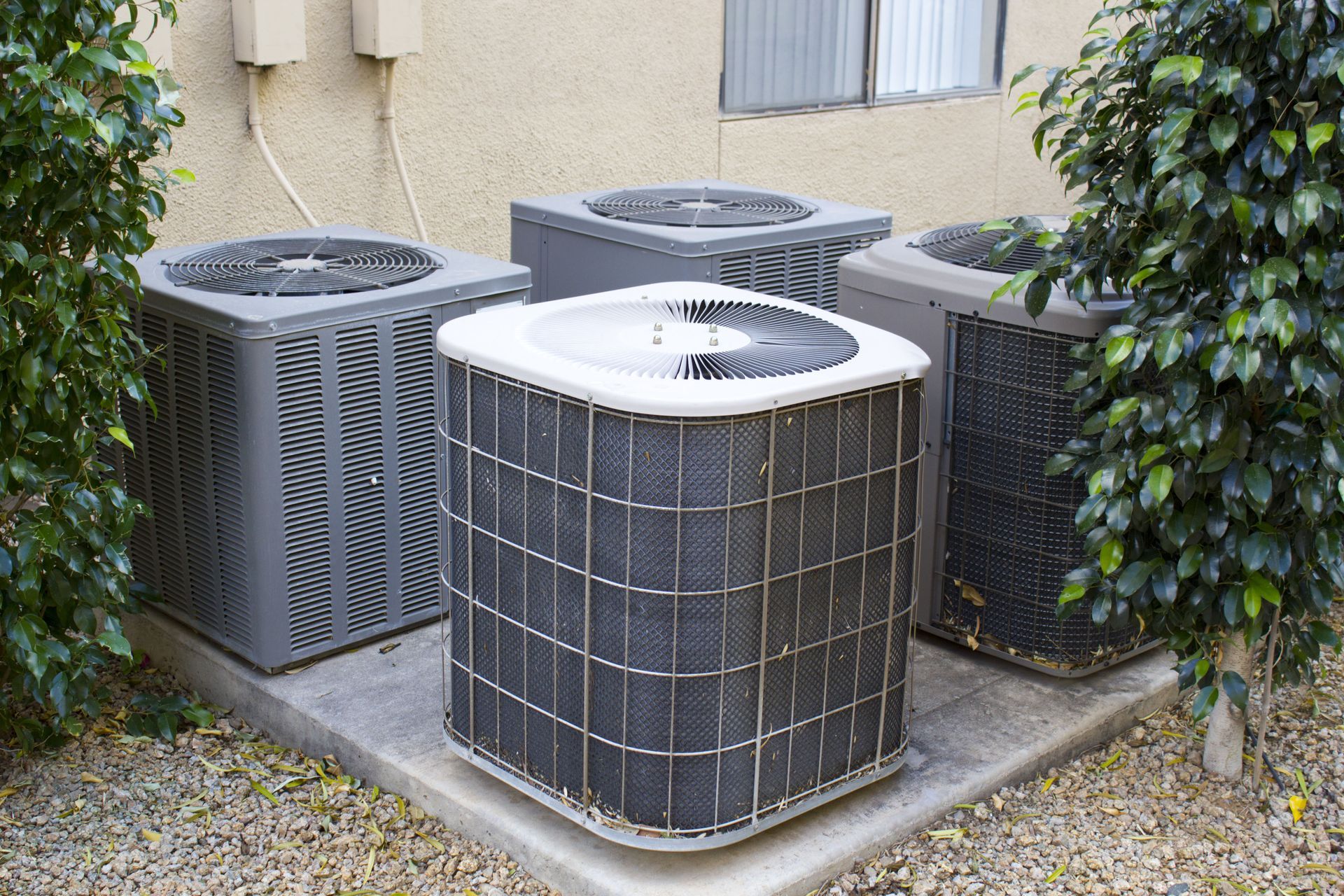
Homeowners should look for units that specifically advertise low decibel levels for both the indoor and outdoor components. This is especially important for properties where the outdoor condenser is located near a bedroom window or a patio area. During the ac install process, the placement of the unit on a level, vibration-absorbing pad can further reduce the transmission of sound through the home's structure. A quiet system is a sign of a well-balanced and precision-engineered machine that operates with minimal friction.
Prioritizing Advanced Filtration Systems
Indoor air quality has become a paramount concern for modern families, and the air conditioner plays a central role in managing the atmosphere of a home. New units often come equipped with or are compatible with high-MERV filters that can capture microscopic particles, including pollen, pet dander, and fine dust. Some premium systems even incorporate ultraviolet light arrays or electronic air cleaners that neutralize biological contaminants as air passes through the air handler.
The inclusion of these features ensures that the air being circulated is not just cool, but also clean. This is a vital consideration for individuals with respiratory sensitivities or allergies. When an ac install is performed, the technician can calibrate the blower motor to account for the increased resistance of high-efficiency filters.
Analyzing Durability And Warranty Coverage
A new air conditioner is a long-term investment, and the durability of the exterior housing and internal coils is a major factor in its overall value. Units designed for longevity often feature powder-coated steel cabinets that resist rust and corrosion, even in harsh weather conditions. Additionally, look for systems that use all-aluminum or specially coated copper coils, which are less prone to the formicary corrosion that can lead to refrigerant leaks over time.
Warranty coverage serves as a testament to the manufacturer’s confidence in their product. Leading brands offer extensive protection on the compressor and internal parts, provided the system is registered correctly and maintained by professionals. According to HomeGuide, a well-maintained air conditioner generally lasts 12 to 15 years. This lifespan is heavily dependent on the precision of the initial ac install and the consistency of seasonal tune-ups. A robust warranty combined with high-quality construction materials ensures that the system remains a reliable asset throughout its operational life.
Investing in a new air conditioning unit is about more than just surviving the heat of the coming year; it is about establishing a foundation for long-term home efficiency and wellness. By looking for features like variable-speed compressors, advanced filtration, and smart connectivity, homeowners can customize their environment to suit their specific lifestyle needs. However, the most sophisticated features in the world cannot overcome the handicap of a poor installation. Ensuring that the equipment is sized correctly and integrated perfectly into the home is the final, most important step in the process.
When the time comes to transition to a more efficient and comfortable cooling solution, the expertise of the individuals handling the equipment is the determining factor in your satisfaction. A meticulous ac install sets the stage for a decade or more of worry-free performance. By choosing a system with the right mix of modern features and backed by a professional team, you can enjoy the peace of mind that comes with a perfectly balanced indoor climate. At Schmitt Refrigeration, Air Conditioning & Heating Inc, we are committed to guiding you through every feature and technical detail, ensuring your new system provides the ultimate in cooling luxury and reliability for your family.